 Dunkerque Hub
Tactical Context
After a shaky start to the season, Dunkirk seems to be at a crucial turning point in their Ligue 2 campaign. While the team has shown moments of brilliance, consistency is lacking. The 4-2-3-1 system, although effective against certain teams, has sometimes exposed weaknesses in the transition from defense to attack.
Strengthening the Midfield
One of the first suggestions would be to reinforce the midfield. Currently, the duo of defensive midfielders struggles to manage rapid transitions from opponents. By integrating an additional player and shifting to a 4-3-3 formation, Dunkirk could benefit from increased ball control. This would also help support forwards more effectively and offer varied options in the attacking phase.
Exploiting Speed on the Wings
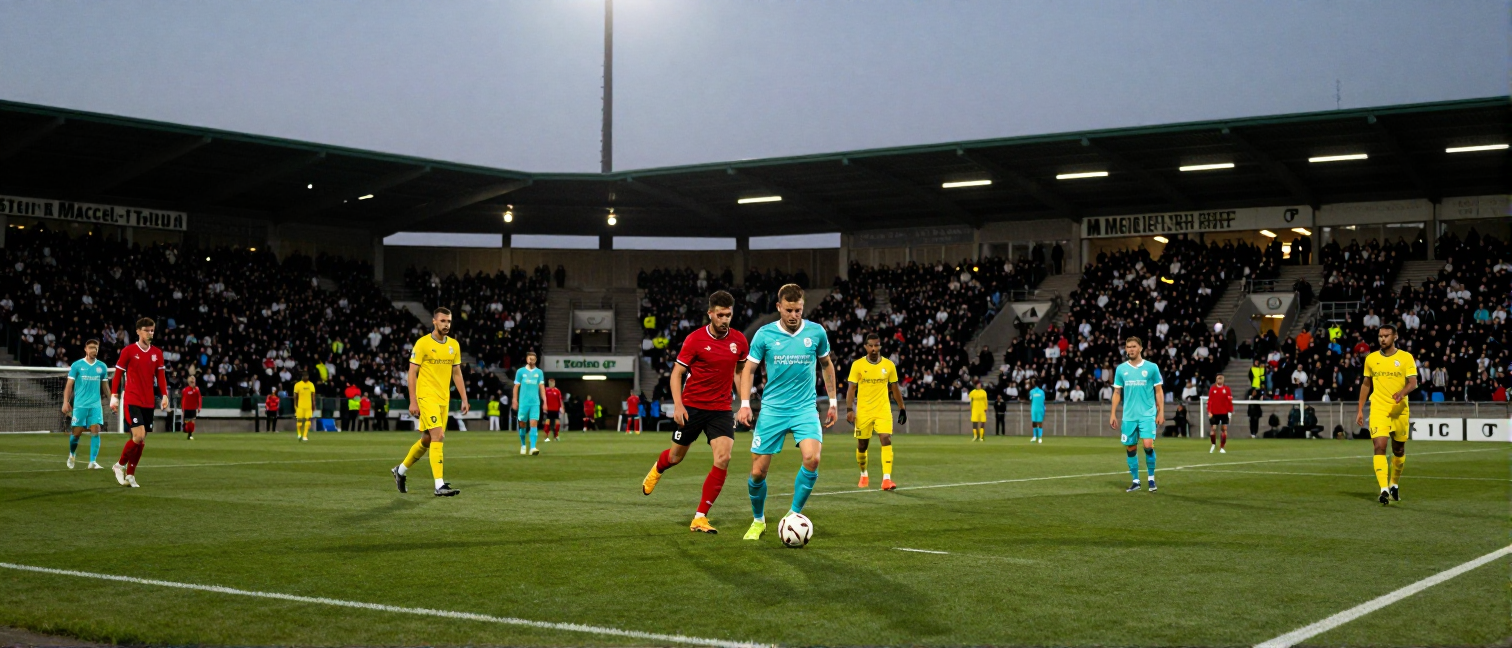
The team has fast players on the wings, but their utilization could be optimized. By asking wingers to stay wider and encouraging their runs in-depth, Dunkirk could stretch opposing defenses, creating space for midfielders and forwards. This could also allow the full-backs to push forward more, adding an extra layer to the attack.
Defensive Adjustment
Defensively, it would be wise to adopt a more proactive approach. The Corsaires need to work on their ability to press higher up the pitch, especially against teams that play possession-based football. Collective pressing could force opponents into mistakes and recover the ball in more advanced areas, reducing the effort needed to defend close to their own box.
Conclusion
In conclusion, Dunkirk's Corsaires have the potential to improve their standing in Ligue 2 with a few tactical adjustments. By reinforcing the midfield, exploiting speed on the wings, and adopting a more aggressive defensive approach, Dunkirk could transform their performances and reconnect with success. Supporters eagerly await these changes at Stade Marcel-Tribut, hoping to see their team navigate confidently towards more prosperous shores.