 Dunkerque Hub
Current Form Analysis
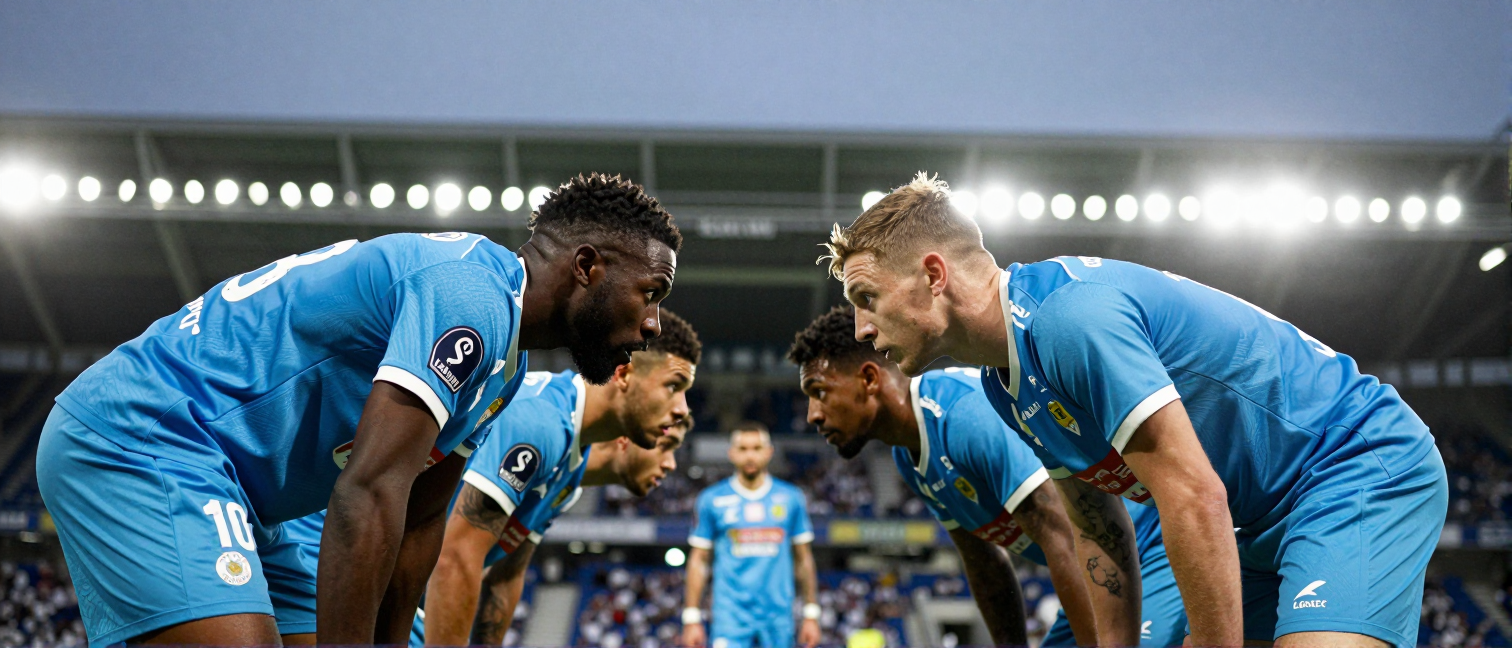
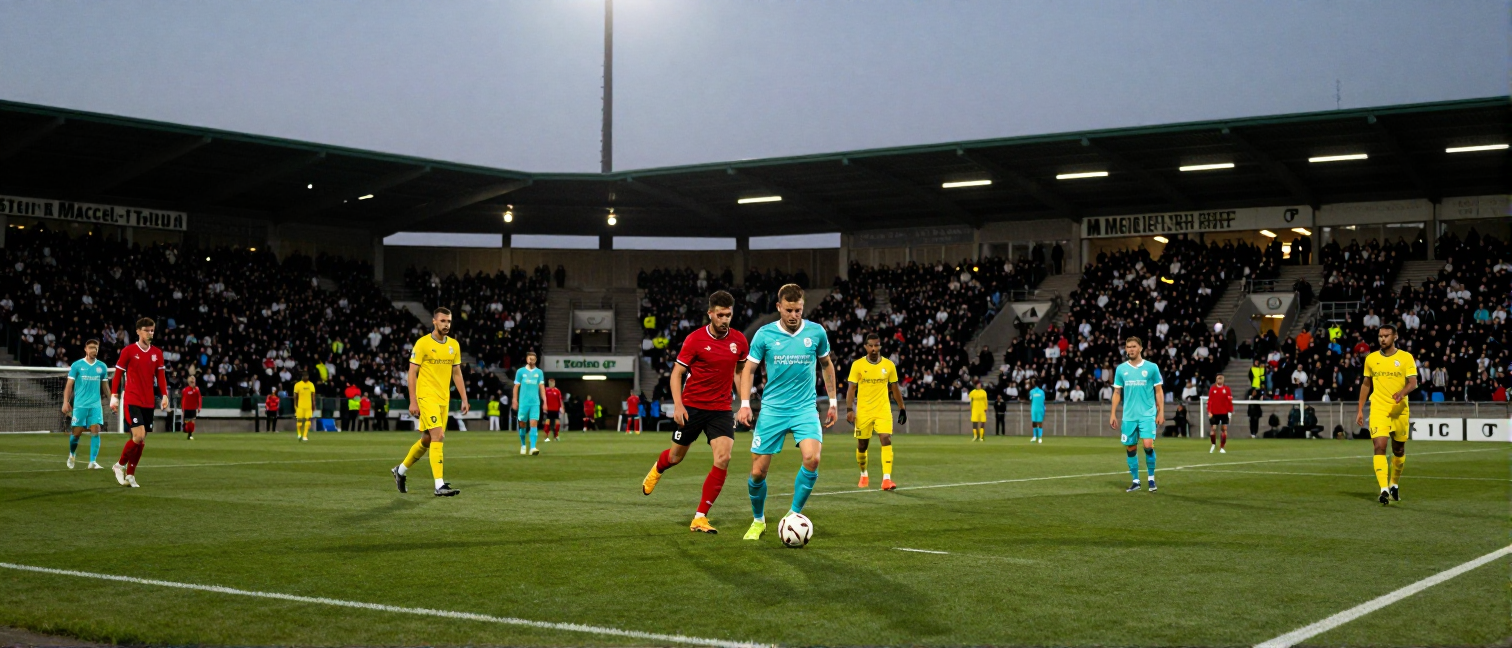
Dunkirk's start to the season has been marked by inconsistent performances. While the Corsaires have shown flashes of offensive brilliance, a lack of coherence and defensive solidity has often put the team in difficult situations. The favored 4-2-3-1 formation has its advantages, but it also appears to expose certain vulnerabilities. The team has frequently been caught on the counter, leaving gaps behind the defensive line.
Strengths and Weaknesses
In midfield, the performances of players like [Player's Name] have been promising, offering creativity and dynamism. However, the lack of defensive support from this area has often left the central defense under pressure. The full-backs, while capable of making interesting forward runs, have sometimes been too committed to attack, neglecting their defensive duties. This has led to situations where opponents have been able to exploit these spaces.
Suggested Adjustments
To address these shortcomings, a return to a 4-3-3 formation could be beneficial. This would strengthen the midfield, adding an extra presence to help with ball recovery and protect the defense. By integrating an additional defensive midfielder, Dunkirk could better control the game and limit opponent counters.
In attack, emphasizing play down the flanks using wingers could offer more options. Utilizing fast players on the wings to stretch the opposing defense could create space for central strikers. At the same time, fluid movement and quick exchanges among attacking players could destabilize opposing defenses.
Conclusion
In summary, Dunkirk's Corsaires have the potential to turn the current trend around. By adjusting their tactical approach and strengthening their midfield, they could regain the cohesion necessary to perform at the highest level. The upcoming matches will be crucial to validate these adjustments and restore hope to supporters for a fruitful season.